
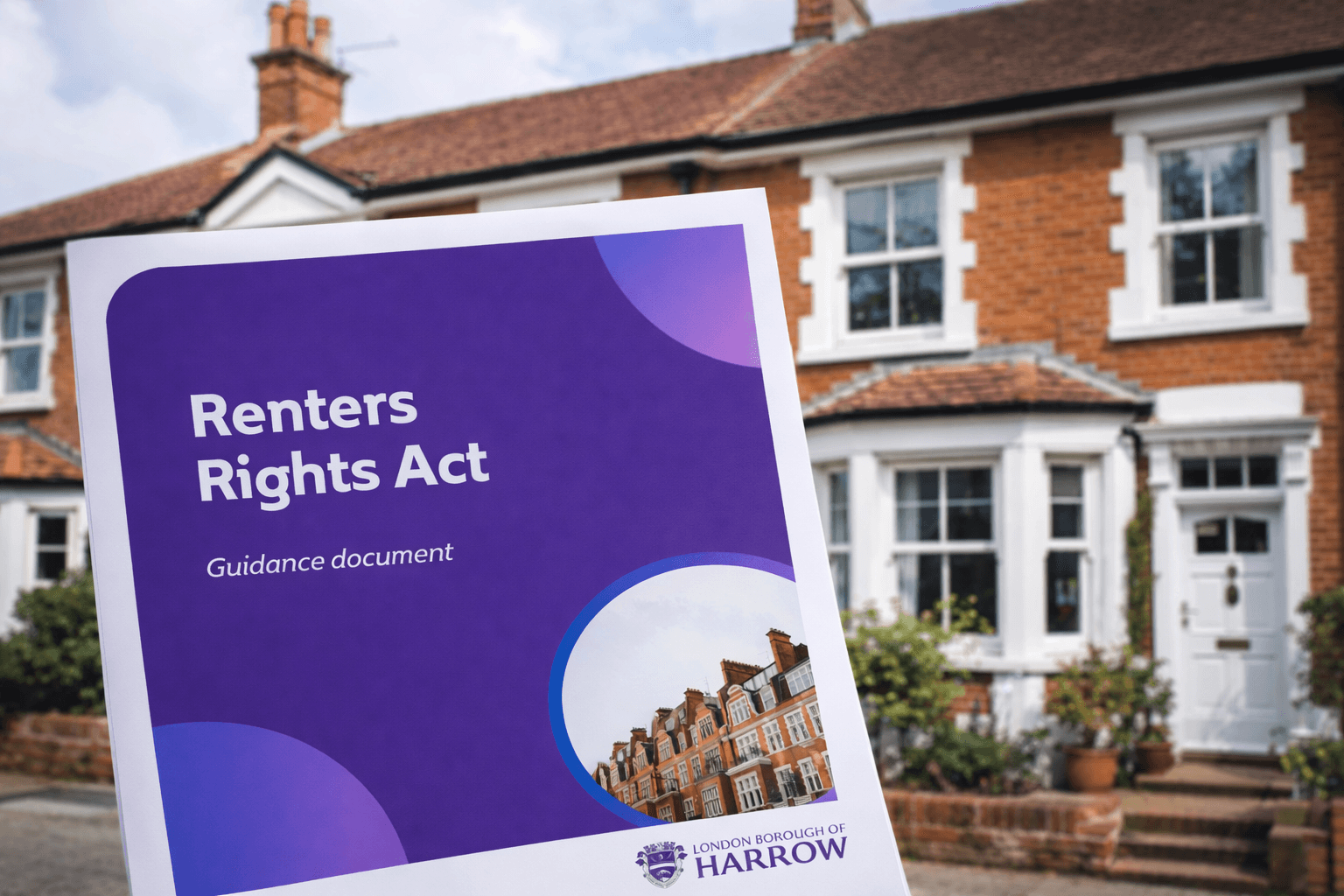
Renters Rights Act 2026: What It Means for UK Landlords
The Renters’ Rights Act is one of the most significant reforms to the private rented sector in England in recent years. With changes expected to come into effect from 2026, many landlords are understandably asking what this means for their properties, tenancies, and responsibilities. While the legislation introduces new requirements, it does not prevent landlords from letting their properties. Instead, it places greater emphasis on compliance, property standards, and structured tenancy processes.
When will the Renters’ Rights Act come into force?
The Renters’ Rights Act is expected to be implemented in phases, beginning from 2026 across England. These changes will apply to the private rented sector and will influence how tenancies are managed going forward.
For landlords, this means preparing for updated processes rather than stopping or avoiding letting altogether.
Key changes landlords should be aware of
End of Section 21 “no-fault” evictions
One of the most widely discussed changes is the removal of Section 21 evictions. Landlords will still be able to regain possession of their property, but only through valid legal grounds.
Shift to periodic tenancies
The legislation is expected to move towards periodic (rolling) tenancies, replacing fixed-term structures in many cases. This creates more flexibility for tenants and requires clearer tenancy management for landlords.
Stronger compliance and property standards
There will be increased focus on property safety, documentation, and meeting required housing standards. Councils will also have stronger enforcement powers.
Greater transparency across the rental sector
New regulatory measures, including potential landlord and property registration systems, are intended to improve accountability and transparency in the private rented sector.
Why landlords are concerned and what this really means
It is natural for landlords to feel concerned when legislation changes. However, the Renters’ Rights Act is not designed to remove landlords from the market. Instead, it aims to create a more stable and transparent rental environment.
For responsible landlords who already maintain their properties and follow legal processes, many of these changes will be manageable with the right guidance.
How Help2Let supports landlords during legislative changes
Help2Let works proactively with homeowners and landlords to navigate changes in housing legislation, including the Renters’ Rights Act.
Our structured, council-backed approach helps by:
Providing clear guidance on compliance requirements
Supporting well-managed and suitable tenancies
Offering structured letting options
Reducing uncertainty during regulatory changes
This allows landlords to continue letting their properties with greater clarity and reassurance.
A more stable future for landlords and tenants
The Renters’ Rights Act is part of a wider shift towards longer-term stability, improved housing standards, and clearer processes within the private rented sector.
With the right support and a compliant approach, landlords can continue to let their properties confidently while adapting to the evolving legal landscape.
Need guidance on the Renters’ Rights Act?
If you are unsure how the upcoming legislation may affect your property or letting arrangements, the Help2Let team can provide clear, practical guidance tailored to your situation.